

Luxury Great Migration Safaris Africa | What, When and Where?
Luxury Great Migration Safaris Africa Facts, Routes, Tracker, What, When and Where?. The Great Wildebeest Migration is the largest animal migration in the world.
The Great Migration Safari is an annual journey across East Africa’s Serengeti-Mara ecosystem in a circular path, driven by the search for fresh grazing and water. Over 1.5 million wildebeest, joined by zebras and gazelles, migrate from Tanzania’s Serengeti National Park to Kenya’s Mara Game Reserve and back, a journey fraught with dangers like predatory animals and river crossings. While the migration is a continuous, year-round movement, its timing and routes can vary annually depending on rainfall.
Experience Africa’s Great Migration Safaris; The Great Wildebeest Migration is a spectacle that die-hard safari lovers have at the top of their bucket lists. It’s arguably Mother Nature’s greatest wildlife show, with millions of wildebeest, followed by gazelle and zebra, traversing across the Serengeti in Tanzania and Maasai Mara in Kenya.
Hunger-stricken carnivores inevitably follow suit, which provides for thrilling wildlife sightings! Since there is only one direction to go—forward—it is always survival of the fittest.
Knowing when to be where is crucial because the animals are continuously moving, making this adventure a little trickier to follow than a typical safari. Everyone should take an African safari that includes the Great Wildebeest Migration at least once in their lifetime. Here is what to anticipate.
Great Migration Safari Destinations
One of the finest Great Migration Safari experiences in life is traveling through Africa. Just ask any of the 140+ happy visitors we’ve had on our continent! You’ve come to the perfect location if you don’t want to settle for anything less than the best experiences while you’re in Africa.
Greatest Wildebeest Migration Tours
We specialize in tailor-made African safaris because we are Africa’s Leading Safari Company. Each safari is therefore distinct and tailored to your tastes and wish list.
Our travel specialists have also explored every corner of Africa in search of the best experiences possible so they can share their knowledge with you and ensure that your safari is flawless. The best way to experience our homeland is on a Wildebeest Migration safari. Get in touch with our travel specialists right away to begin arranging!
Great Migration Safari Packages that might interest you
Not sure where to start? Our best-selling Migration safari packages are here to get you going
A Great Migration safari offers a chance to witness over 1.5 million wildebeest, zebras, and gazelles traversing the Serengeti (Tanzania) and Masai Mara (Kenya) in a year-round cycle. Key spectacles include calving (Jan–March, South Serengeti) and dramatic Mara River crossings (July–Oct, North Serengeti/Kenya).
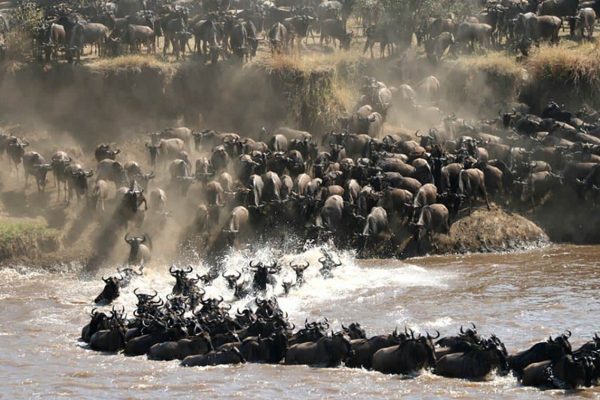
Gorillas & Great Migration
Days: 12 | Nights: 11
A 12-day safari combining gorilla trekking and the Great Migration typically merges top African wildlife experiences, featuring mountain gorillas in Rwanda (Volcanoes NP) or Uganda (Bwindi) and the wildebeest migration in Tanzania’s Serengeti or Kenya’s Masai Mara.
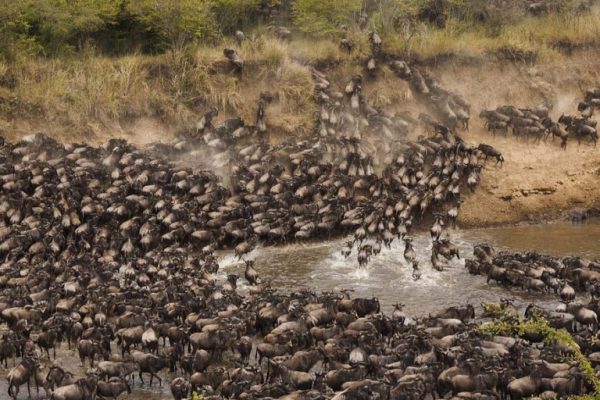
Tarangire/Ngorongoro/Serengeti
Days 9 | Nights: 8
A 9-day safari covering Tarangire, Ngorongoro, and Serengeti offers an immersive Tanzanian Northern Circuit experience, focusing on massive elephant herds, dense crater wildlife, and vast savannah plains. Typically starting and ending in Arusha, this route allows for in-depth game drives, often featuring 1–2 nights in Tarangire, 3+ nights in Serengeti, and 1-2 nights near Ngorongoro.
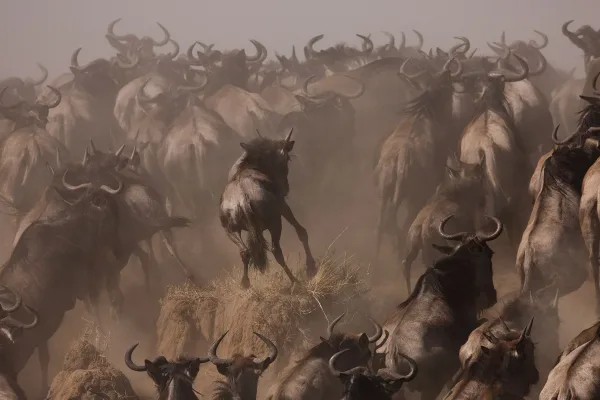
Lake Nakuru And Masai Mara
Days: 8 | Nights: 7
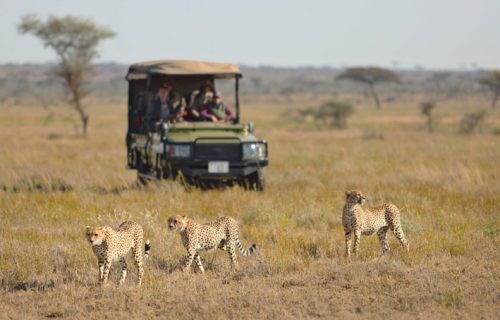
An 8-day safari covering Lake Nakuru and Masai Mara typically offers an intensive wildlife experience, often starting in Nairobi, featuring rhino sightings and flamingo flocks at Lake Nakuru, followed by extensive big cat and Great Migration game drives in the Masai Mara.
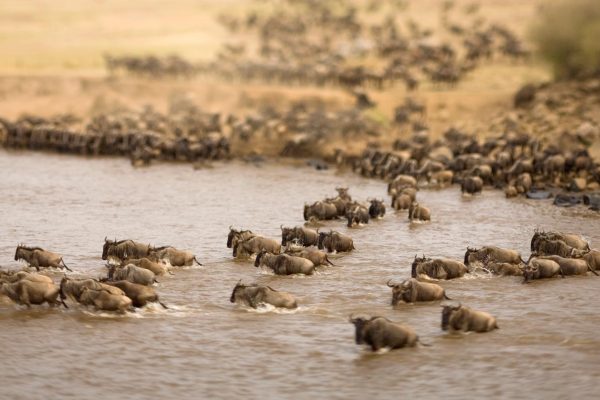
Tanzania Northern Circuit Safari
Days: 8 | Nights: 7
An 8-day Tanzania Northern Circuit safari offers a comprehensive wildlife experience, typically covering Tarangire, Lake Manyara, the Serengeti, and the Ngorongoro Crater. This itinerary allows for in-depth game drives, including the Great Migration, with a mix of savanna, crater, and woodland habitats, often featuring specialized, high-end, or luxury tented camps.
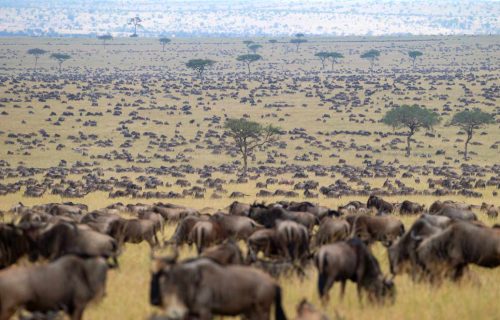
Amboseli, Lewa And Masai Mara
Days: 13 | Nights: 12
A 13-day Kenyan safari covering Amboseli, Lewa, and Masai Mara offers a premier, comprehensive wildlife experience, combining high-density predator viewing with specialized conservation areas. Typically featuring luxury tented camps and flights between destinations, this itinerary maximizes game time, including iconic elephant herds against Mt. Kilimanjaro in Amboseli, rhino conservation in Lewa, and big cats in the Mara.
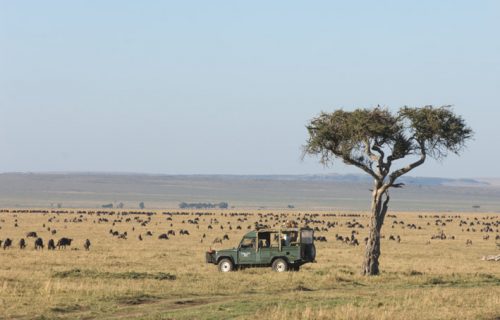
Gorillas And Tanzania
Days: 15 | Nights: 14
A 15-day Rwanda/Uganda and Tanzania safari offers a premier East African experience combining mountain gorilla trekking in Volcanoes National Park (Rwanda) or Bwindi (Uganda) with Big Five game drives in Serengeti National Park and Ngorongoro Crater.
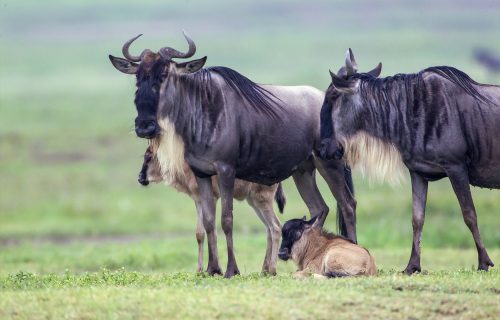
Wildebeest Calving Safari
Days: 7 | Nights: 8
A 7-day Wildebeest Calving Safari in Tanzania (January–March) focuses on the Ndutu Plains and Southern Serengeti, where over 8,000 wildebeest are born daily, drawing intense predator activity. These tours feature game drives in the Serengeti, Ngorongoro Crater, and surrounding areas, providing unparalleled wildlife photography opportunities.
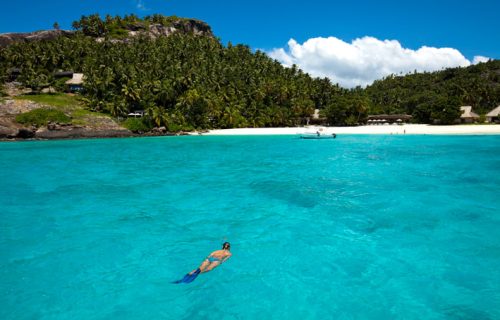
Kenya Safari And Seychelles
Days: 13 | Nights: 12
A 13-day Kenya safari and Seychelles beach trip offers a premier “bush and beach” experience, combining thrilling wildlife viewing in the Masai Mara or Laikipia with tropical relaxation on Mahe, Praslin, or Denis Island. Typically, days 1–6 focus on safari, including game drives and luxury lodging, followed by 6–7 days of white-sand beach relaxation.
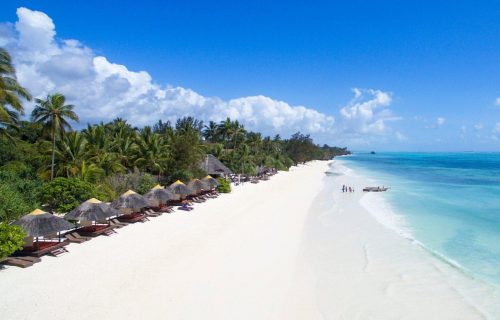
Kenya, Tanzania & Zanzibar Beach
Days: 14 | Nights: 13
A 2-week trip combining Kenya, Tanzania, and Zanzibar is a fast-paced, high-impact adventure covering iconic savanna wildlife and tropical beaches. The typical route involves 4–5 days in Kenyan reserves (Masai Mara), 4–5 days in Tanzania’s northern circuit (Serengeti/Ngorongoro), and 4–5 days relaxing in Zanzibar.
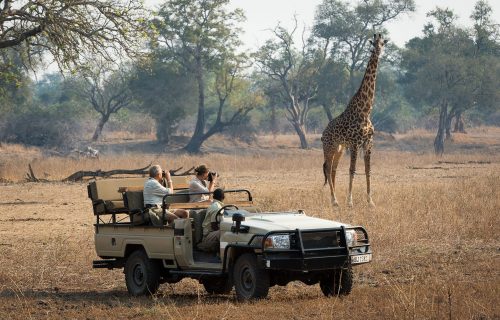
Tanzania, Kenya And Zambia
Days: 12 | Nights: 11
A 12-day safari covering Tanzania, Kenya, and Zambia typically combines iconic East African wildlife in the Serengeti and Maasai Mara with the natural wonder of Victoria Falls. These high-intensity, all-inclusive itineraries often feature regional flights for efficiency, offering a mix of luxury lodges and tented camps.
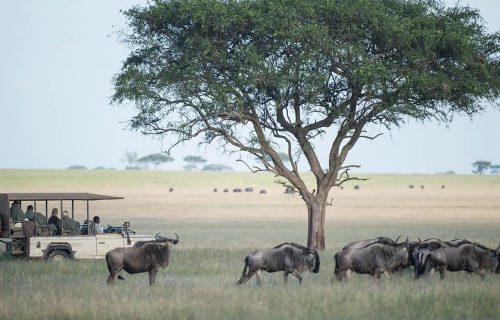
Tarangire, Serengeti & Volcanoes
Days: 13 | Nights: 12
A Tarangire, Serengeti, and Volcanoes (often Ngorongoro or Rwanda’s Volcanoes National Park) safari offers a premier African wildlife experience. It typically combines massive elephant herds and iconic baobabs in Tarangire, the renowned, vast plains of the Serengeti, and intense, wildlife-packed volcanic landscapes like the Ngorongoro Crater, creating a top-tier “Big Five” destination.
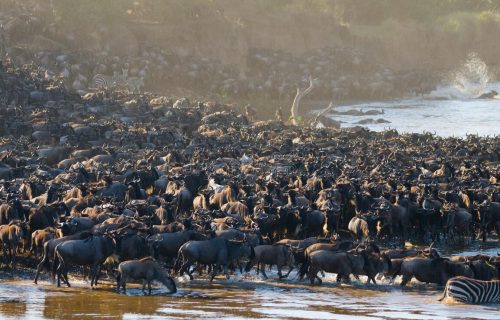
Kenya & Tanzania Safari
Days: 12 | Nights: 11
This 12-day Kenya and Tanzania safari offers a premier East African experience, focusing on the Great Migration in the Maasai Mara/Serengeti and Big 5 spotting. Typically starting in Nairobi and ending in Arusha (or vice-versa), it covers iconic locations like Ngorongoro Crater and Amboseli, with options for luxury tented camps or lodges.
Tarangire, Ngorongoro & Serengeti
Days: 9 | Nights: 8
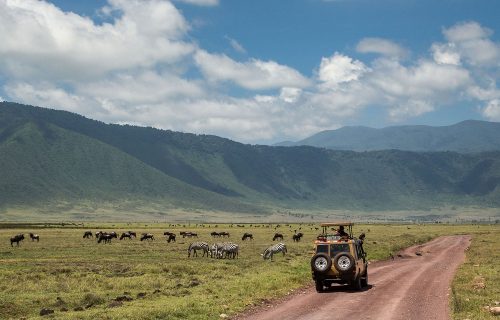
A 9-day safari in Tanzania typically covers the “Northern Circuit”—Tarangire, Serengeti, and Ngorongoro Crater—offering unmatched Big Five viewing, the Great Migration, and stunning landscapes. Options include private driving tours or luxury fly-in safaris.
Tanzania Honeymoon Safari
Days: 8 | Nights: 7
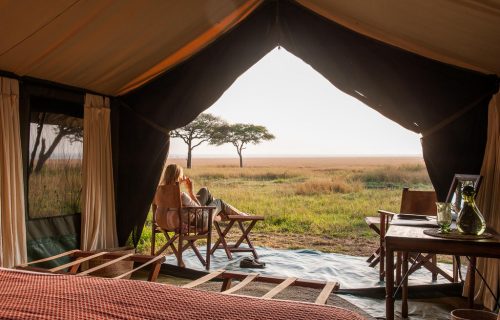
An 8-day Tanzania honeymoon typically combines thrilling, private, top-tier northern circuit safaris—Tarangire, Ngorongoro Crater, and the Serengeti—with romantic luxury lodge stays, culminating in relaxing beaches. Couples often experience the Great Migration, candlelight bush dinners, and stunning scenery.
A Photographic Tanzania Safari
Days: 11 | Nights: 10
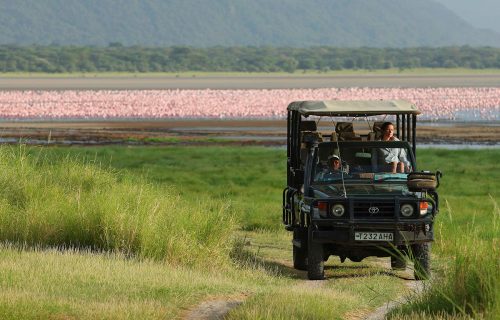
An 11-day Tanzania photo safari offers an immersive, high-yield photography experience focusing on the Northern Circuit’s iconic landscapes and wildlife, including Tarangire, the Serengeti, and Ngorongoro Crater. Designed for optimal lighting (sunrise/sunset) and flexibility.
Amboseli, Aberdare & Masai Mara
Days: 6 | Nights: 5
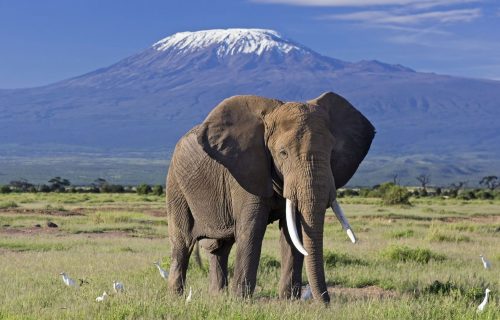
A safari combining Amboseli, Aberdare, and Masai Mara offers a diverse Kenyan experience, featuring massive elephant herds against Mt. Kilimanjaro (Amboseli), lush, forested highland scenery with lodge-based game viewing (Aberdare), and iconic big cat sightings in the savanna plains (Masai Mara).
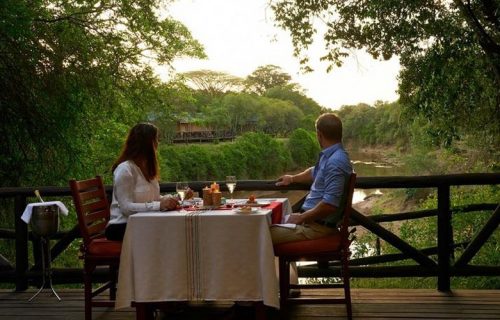
Masai Mara And Lamu
Days: 6 | Nights: 5
Combining a Masai Mara safari with a Lamu beach holiday offers a premier Kenyan experience, pairing world-class “Big Five” wildlife viewing with tranquil, UNESCO-listed Swahili culture. Typically, a 6-day itinerary flies from the Mara to Lamu (often via Nairobi) for beach relaxation, dhow cruises, and exploring historic, car-free streets.
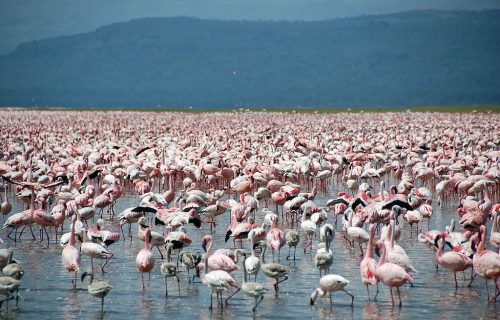
9-Day Kenya Safari
Days: 9 | Nights: 8
A 9 day safari combining Lake Bogoria, Lake Nakuru, and Masai Mara offers a diverse Kenyan experience: walking safaris with flamingo-filled geysers at Lake Bogoria, rhino spotting in Lake Nakuru’s forest-savannah, and premier “Big Five” game drives in the Masai Mara.
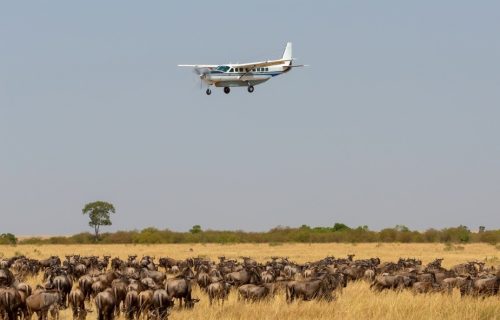
4-Day Masai Mara Safari
Days: 4 | Nights: 3
The Maasai Mara National Reserve is Kenya‘s most famous game reserve. 4 Days Masai Mara Lodge Safari From Nairobi provides the opportunity to witness “the big five” as well as numerous other kinds of games. This is where the big wildebeest migration takes place, which is a sight to witness for anyone visiting Kenya during the months of July and August.
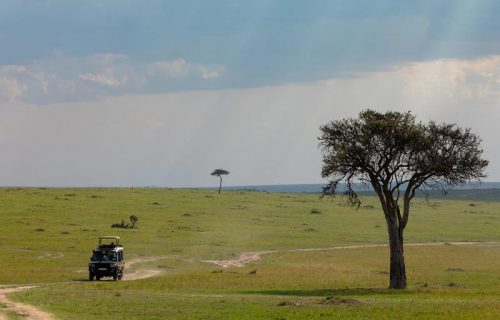
Kenya And Diani Beach
Days: 11 | Nights: 10
An 11-day Kenya Safari and Diani Beach package typically combines 6–7 days of wildlife viewing in premier parks like the Masai Mara and Amboseli with 4–5 days of relaxation on the white sands of Diani Beach. This packages often include game drives, luxurious lodges, domestic flights, and beach activities like snorkeling or diving.
Kenya And Madagascar Holiday
Days: 13 | Nights: 12
A 13-day Kenya and Madagascar holiday offers a diverse, high-value combination of Big Five safaris in the Maasai Mara and unique biodiversity, specifically lemur spotting, in Madagascar’s rainforests. Package usually include flights from Nairobi to Antananarivo, featuring highlights like Andasibe-Mantadia National Park and, frequently, beach relaxation in Nosy Be.
Rwanda, Tanzania & Zanzibar
Days: 12 | Night: 11
A combined 12–day itinerary through Rwanda, Tanzania, and Zanzibar offers the ultimate East African experience, blending endangered mountain gorilla trekking in Rwanda’s Volcanoes National Park with iconic big game safaris in Tanzania’s Serengeti and Ngorongoro Crater, ending with relaxation on Zanzibar’s white sand beaches
Rwanda & Tanzania Safari
Days: 10 | Nights: 9
A Rwanda and Tanzania safari combines mountain gorilla trekking in Volcanoes National Park with the classic Big Five game drives in the Serengeti and Ngorongoro Crater, offering a premier 8–15 day East African experience. Typically, trips start with gorilla trekking in Rwanda before flying to Tanzania for savanna wildlife, with options to include Zanzibar beaches.
What is the Great Migration?
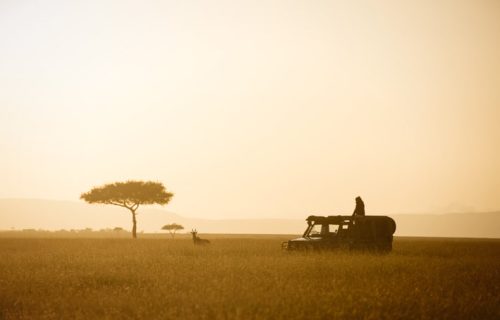
The Great Migration, commonly referred to as the Wildebeest Migration, is a trip rather than a singular occurrence. The exodus has evolved into the iconic image of East Africa. Imagine wide open grasslands covered in wildlife, with flat-topped acacia trees on the horizon and that distinctively crimson African sunset in the background.
Between 1.5 and 2 million animals participate in the migration, mostly wildebeest and zebra, but there are also some Topi antelope, Grant’s gazelle, Thompson’s gazelle, impala, eland, and other species that follow. After the rain, they all go together across the plains in quest of greener pastures. It doesn’t have a specific route, although it generally follows the same pattern every year.
The Great Wildebeest Migration in Africa is recognized as one of the Seven Natural Wonders of Africa and is considered the largest overland migration in the world. In fact, it’s so well-known that one of the most popular itineraries we receive is an African safari that includes the Great Migration.
FAQs about the Great Wildebeest Migration
Where and when does the Great Migration occur?
Knowing exactly where you need to be is essential to avoid disappointment because this voyage is not precisely planned and depends on the amount of rainfall. You don’t have to approach making reservations for your ideal Great Migration safari in Africa blindly, though! Our The Bespoke African Safari Co. Travel Experts, who work for Africa’s Leading Safari Company, have traveled extensively and are familiar with the rhythm of Africa. They are aware of all her hidden gems and the most opulent places to unwind after a long day of exploration.
Where does the Great Migration take place?
The Great Wildebeest Migration follows a circuit rather than a set route between Tanzania’s Serengeti plains in the south and Kenya’s Maasai Mara in the north.
However, just because there is a general sketch of their journey does not mean that it follows a defined path. Instead, it’s just common hallways. Natural events like the Great Migration are influenced by the environment, the weather, and the animals themselves. Even so, it generally follows a similar schedule and itinerary, though there may occasionally be unforeseen alterations.
A Massive Migration The Maasai Mara safari in Kenya is at its best when the herds cross the Mara River into the reserve before heading back into Tanzania. From here, they travel to the Serengeti National Park, the best place for your Tanzania Great Migration safari.
When is the Great Migration in Africa?
The approximate dates of the Great Migration don’t change every year. When the animals leave the Serengeti plains in April, the first action takes place. They will face numerous challenges over the next months, including predators that are poised to strike. So when does Africa’s Great Migration take place? To assist you in organizing your own, here is a general summary of their movement timetable.
Great Migration Safari Destinations
A selection of our favourite places for The Great Migration safari in Africa. The Great Migration primarily takes place between Tanzania’s Serengeti National Park (hosting the herds for most of the year) and Kenya’s Maasai Mara National Reserve (best for river crossings from July to October). Key areas include the southern Serengeti for calving and the Mara River for dramatic crossings.
Top Great Migration Destinations
- Serengeti National Park, Tanzania: The core, year-round destination for the migration. It is divided into regions where the herd moves, including the southern plains for the calving season (Dec–Mar) and the central/western areas for the northern movement.
- Maasai Mara National Reserve, Kenya: The premier destination to witness the thrilling, crocodile-infested Mara River crossings. The herds typically reside here between July and October.
- Ngorongoro Conservation Area, Tanzania: Often part of the Southern Serengeti circuit where the herds move to graze during the calving season.
- Grumeti Reserve, Tanzania: Important during May and June for the migration’s crossing of the Grumeti River.
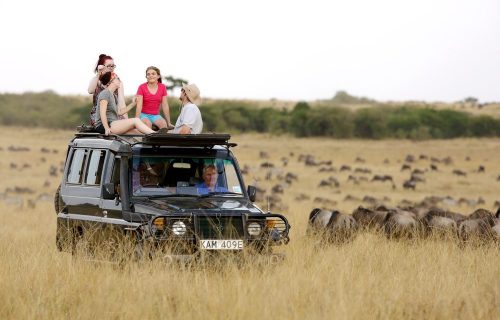
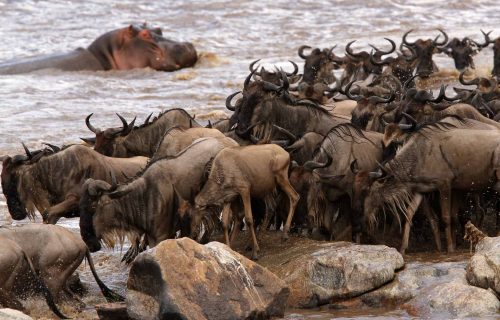
Wildebeest Migration in Tanzania
- December – March
The Serengeti and Ngorongoro Crater regions of Tanzania are the locations where the Great Migration in Africa occurs at this time. The animals are drawn to the now-luxurious grasslands by the yearly rains, and this time of year also happens to be when they give birth to their calves. Visitors can anticipate viewing adorable babies being born as well as several sightings of huge cats (and kills).
- April – May
The herds then move on to the Serengeti Western Corridor’s greener plains. It’s challenging to track their movements during this time due to the periodic rains, which also cause several smaller safari camps to temporarily close their doors and make numerous routes unusable.
- June
When the rain stops in June, the animals move further north, where they now congregate together to form much larger herds. The time for mating is now. The Western Serengeti is the ideal location to view the animals at this time.
- July
The Grumeti River, the animals’ first significant challenge, causes drama to ensue. It’s an easy feat, and many animals don’t make it through because of the abundance of hungry crocodiles waiting to pounce and the deep sections the animals must battle through.
Factors influencing the timing & location of the Wildebeest Migration?
The Great Wildebeest Migration is not fully predictable, but it is known that the demand for food and water supplies drives its course.
The animals travel to the next location in search of new supplies as the weather changes, depleting the local supply of food and water. In other words, this dry season forces them to leave when the rain stops in one place. The long trek these herbivores make to find the ideal grasses for their next meal has come to be known as Africa’s Great Migration because they depend on high-quality grass for nutrition.
Fortunately, there isn’t much rivalry among the species for food, allowing them to migrate in peace. The migrators’ feeding habits vary as well; some species prefer the tallest grass, while others prefer medium-height grasses. They can all eat while traveling over the grasslands if they do it in this manner. Additionally, there is power in numbers, which protects them from predators.
The grasslands they leave behind have a chance to regenerate as a result of their frequent meandering, making them ready for the wildlife’s next appearance.
Great Wildebeest Migration in Kenya
- August
The herds begin to migrate north as the Serengeti grasslands begin to turn yellow. They proceed to Kenya’s Mara Triangle and Lamai Wedge. However, they must first pass another barrier, the Mara River, which is likewise teeming with crocodiles waiting to strike, before they can feast on the Mara plains.
- September – November
Predators lurking nearby feast on the animals that made it through the Mara River and have now flooded the Mara plains. The finest spot to stay at this time is Governors’ Camp.
- November – December
The animals begin their arduous journey back to Tanzania, where they will give birth to the following generation of migrators, while rain begins to fall once more in the south. The wildebeest migration is best witnessed from Klein’s Camp during the brief November rains.
Great Migration Safaris
As you can see, organizing a Great Migration safari is not simple. There are so many things to take into account, and deciding when and where to go can either make you giddy with anticipation or leave you feeling bitterly let down when you miss all the action.
Since the Great Wildebeest Migration is a once-in-a-lifetime safari adventure, it is crucial to only book with the top safari trip operator. And we can confidently state that this is us because we were named Africa’s Leading Safari Company!
We’ve traveled to East Africa a great deal. The Great Migration has been observed during various seasons of the year. We are able to call the lodge’s owners, managers, and other employees by name. We’ve slept in the beds, taken game drives, and flown in a hot air balloon over the plains. Even better, we were able to observe wildlife without ever leaving the comfort of our beds because we had such a great front-row seat.
Free tour planning advice
from wildebeest migration experts
To make sure your Great Migration experience is nothing short of extraordinary, we’d be delighted to share our insider knowledge, tips, and recommendations with you. We can also suggest the ideal tour because we are aware of which locations go well together.
What are you still holding out for? Contact our travel specialists right away. They can’t wait to start organizing your ideal Great Wildebeest Migration safari!