

Uganda Safari Cost 2027 | The Ultimate Guide
Uganda, sometimes referred to as “The Pearl of Africa,” is a beautiful country that captures the essence of nature with its verdant landscapes, diverse fauna, and brilliant colours. An amazing African safari meets the opportunity to stroll among forest giants and other primates on a safari in Uganda, which is renowned for its gorilla trekking. Keep in mind that March–May and September–December are the ideal times to visit Uganda for hiking.
Thankfully, wildlife reserves have been established on 20% of Uganda’s land, guaranteeing that it will stay mostly unspoiled. Also located there are Murchison Falls and Queen Elizabeth National Park, two of the world’s most famous animal parks. Trek with gorillas in Bwindi Impenetrable Forest or chimpanzees in Kibale Forest to learn about the remarkable rainforests of the nation. While trekking through the Virunga Mountains, you might also spot golden monkeys. Join one of our premier trips or safaris through Uganda, or perhaps combine it with another destination, to uncover the mysteries of this East African treasure.
Uganda Safaris: What Are Your Options?
Because Uganda is a small country, the top tourist destinations are not far apart and won’t take more than a day to reach. The international airport is conveniently located approximately 35 kilometres away from Kampala, the capital and largest metropolis. Several of its most popular sites, such Bwindi Forest and Queen Elizabeth National Park, are conveniently close to one another, making it easy to combine them. Below, we’ll go over a few of the possibilities available to you for your safari in Uganda:
- Fly-in Safaris & Transfers: Charter flights can take you to many of Uganda’s most popular attractions. Although these are usually fairly pricey, most people choose to use minibuses or 4x4s for road transfers instead. The chosen means of transportation is often 44 due to road conditions.
- Gorilla Trekking: Every year, visitors to Uganda are treated to once-in-a-lifetime adventures by the Bwindi Impenetrable Forest, the top destination for gorilla trekking. Those interested in seeing gorillas and other primates in their native environment can follow naturalist guides and trackers as they make their way through the forest. Trek prices might vary depending on a number of factors, including the time of year and the number of participants in the group.
- Classic Safaris: For the best big game watching and bird viewing, a safari in Uganda is the way to go. Don’t miss the chance to explore Murchison Falls and Queen Elizabeth National Parks. Boat cruises are great for a different view, just like game drives, although they usually cost more.
How Much Does a Uganda Safari Cost?
Depending on the level of luxury, the season, and whether or not it includes fly-in transfers or gorilla trekking permits, the average cost of a Uganda safari can vary from $770 to $1,980 per person, per night, when double occupancy is included. Safaris range in price from about $770 for the most basic alternatives to between $1,100 and $1,160 for the more luxurious ones. Nightly rates for five-star and luxury safaris can go as high as $1,980. Although the accommodations may be on the smaller side compared to Kenya or Tanzania, they nonetheless provide great comfort and access to famous wildlife sites such as Queen Elizabeth National Park and Bwindi Forest.
Uganda Safari Tour Costs
Just like any vacation, the overall cost of your safari will depend on your activities and destinations. See the table below for a breakdown of low- and high-season per-person, per-night safari costs in Uganda:
Please Note: All prices are approximate and based on a single person staying in a shared room during both high and low season. They do not include any fees or permissions that may be required by the conservancy or park.
Foreign flights, visas, and extracurricular activities are not included. Keep in mind that conservation levies, taxes, and permits can and will alter. Typically, the busiest times of year are between July and October, as well as throughout the holidays and new year.
Uganda Accommodation Costs
Because the country is home to two major wildlife areas, most of Uganda’s hotels are located in the southern and western regions, making it easy to reach these popular destinations. While safari destinations like Kenya and Tanzania tend to have more lavish facilities, Uganda offers a wide range of accommodations, from rustic camps to five-star lodges. The time of year, the amount of comfort, and the proximity to the “action” all have a role in determining the associated cost.
Please Note: All prices are approximate and based on one person sharing a room during high and low season. Foreign flights, visas, and extracurricular activities are not included. Keep in mind that conservation levies, taxes, and permits can and will alter. Typically, the busiest times of year are between July and October, as well as throughout the holidays and new year.
How the Time of Year affects the Cost of a Uganda Safari
Seasonal changes in rainfall have a direct impact on how much a Uganda safari will cost. Optimal trekking conditions and an abundance of animals, particularly near water sources near the end of each dry period, characterise the months of June to August and December to February, respectively, making them the peak seasons. Due of increasing demand, prices tend to be higher during these months. More affordable rates and fewer crowds are offered throughout the shoulder and low seasons, especially from March to May and September to November. However, muddy paths and unpredictable weather can make gorilla trekking more arduous during these wetter months.
Additional Costs
You should know that “all-inclusive” isn’t necessarily the most exhaustive definition. When planning a safari in Africa, it’s important to be clear what is and isn’t included in the package. To start, you might want to check out our blog post about African countries that do not require a visa for US citizens. That could solve one problem with the prices right there. Are there any potential hidden expenses that you might encounter? Below is our list for your perusal:
- International flights / getting to the country – as a rule of thumb, consider this excluded.
- Getting from place to place – internal transfers may be included with some accommodations, however, some others may be at your own cost. Helicopter transfers will likely be at an additional cost.
- Vaccinations – certain destinations, including Uganda, require vaccinations prior to arrival. These are excluded and you will need to contact your healthcare professional to ensure the requirements are met.
- Tipping is always optional but highly recommended. It’s always worth carrying cash during your travels as it’s the easiest way to go about this. Consult our tipping guide for more information.
Personal and travel insurance. - Additional activities – anything over and above the included activity offerings at an accommodation, which typically extends to hot air balloon safaris and helicopter flips or sometimes even cultural excursions.
- The exchange rate – international card payments will likely incur a small fee for paying in a different currency. Uganda’s national currency is the Ugandan Shilling but other currencies, such as the US dollar, is also sometimes accepted. While cards are commonplace, it’s best to carry cash for local curio shops and activities.
If you would like to consult with one of our Africa Safari Experts about your upcoming trip, they can help you plan every detail, including the transfers, so that your trip goes off without a hitch. However, keep in mind that delays are sometimes inevitable when travelling, so it’s best to plan ahead if you can.
Uganda Community & Conservation
Days: 7 | Nights: 6
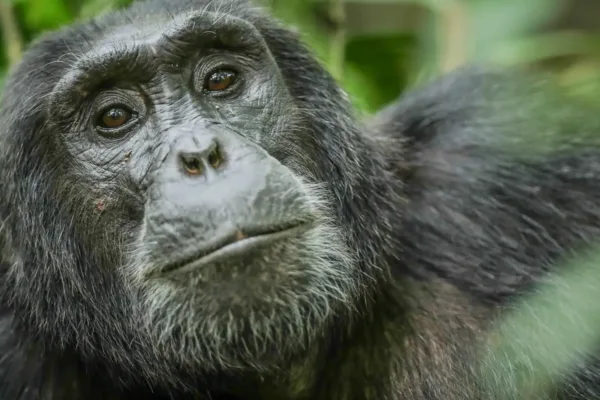
7-Day Uganda Community & Conservation Safari of gorilla trekking. Experiencing the outdoors among these docile giants in their native environment is an extraordinary gift. Join a gorilla vet for enlightening evening fireside conversations where you can learn about the vital conservation measures being made to safeguard these endangered species and secure their future.
14-Day Uganda And Rwanda Safari
Days: 14 | Nights: 13
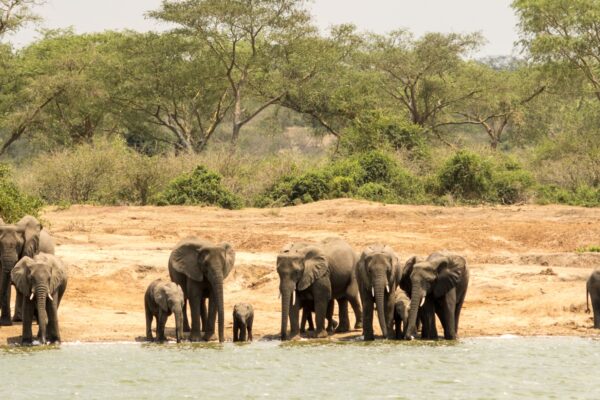
On this 14-Day Uganda And Rwanda Safari, you’ll visit Volcanoes National Park and Mgahinga Gorilla National Park, two of the best places in Uganda and Rwanda to witness these docile giants in their natural habitat. Additionally, you have the opportunity to track down other primates, such as chimpanzees in Kibale Forest and the elusive golden monkey in Mgahinga.