

How Much Does a Tanzania Safari Cost 2027 | Expert Guide
Famous parks in Tanzania include the Serengeti and Ngorongoro Crater, and safari highlights include seeing the Great Wildebeest Migration. Safaris in Tanzania can be as inexpensive as budget-friendly group excursions or as extravagant as private jet charters, depending on your travel preferences, the time of year (the dry season is ideal), and the type of lodging you book.
A Tanzania safari typically costs between $200 and $1,000+ per person per day, depending on your style of travel and accommodation.
Safaris during the peak migration months are typically more expensive, as they coincide with the Great Wildebeest Migration, one of the most breathtaking natural occurrences on Earth. Various safari kinds, Tanzanian accommodations, and other expenses are detailed below to help you budget for your Tanzania safari.
Tanzania Safari Prices by Type
The cost is significantly affected by the safari type you select. The amount of exclusivity, the number of people in the group, and the mode of transportation (the cars and planes utilised) all play a role in determining the price. The typical length of a vacation to Tanzania is twelve days, however this may be greatly adjusted according to your interests, the amount of conservation areas you wish to see, the number of major attractions you wish to see, and your preferred level of comfort.
- Fly-In Safari: There are no lengthy drives between destinations on this itinerary type; instead, there are solely internal flights inside Tanzania. Given the considerable driving distances between Southern Tanzania and Northern Tanzania, two regions that are home to some of Tanzania’s top tourist destinations, flying in is the most time-efficient choice. With this option, you may extend your safari experience and enjoy breathtaking aerial vistas for an extra dose of magic.
- Classic Safaris: Early morning game drives across the Serengeti or Ngorongoro Crater, followed by leisurely afternoon explorations, and a sundowner beneath the huge African sky—that’s what we envisage when we talk of a “classic safari” in Tanzania. Skilled trackers and guides show the way, imparting their extensive knowledge of the area and its inhabitants. Private vehicles, ideal for families or individuals looking for a more individualised journey, are available for an extra fee, while these excursions are usually included with your stay.
How Much Does a Safari Cost in Tanzania?
Depending on the experience, lodging, and season, a Tanzania safari might cost anywhere from $1,100 to $3,300 per person, per night (based on double occupancy). Options to fly in cost between $1,650 and $2,750. Prices can go as high as $3,300 for five-star alternatives and luxury fly-in safaris. Transportation options, lodging type, and extras like private vehicles affect the final price, which rises during the Great Wildebeest Migration and other busy tourist months.
Tanzania Accommodation Prices
There is a vast array of lodging options and safari experiences in Tanzania, from inexpensive motels to five-star resorts. Various budgets and preferences can be accommodated by modifying the itineraries. These prices are based on the following ranges per person sharing a standard room:
- Mid-Range/4-star Accommodation: This includes comfortable options ranging from entry-level 4-star to regular 4-star hotels or lodges, providing good quality and amenities without the added opulence of 5-star accommodations.
- Luxury Accommodation: High-end options include entry-level 5-star to luxury 5-star accommodations, offering premium service, exclusive settings, and top-notch amenities for a more indulgent experience.
All prices mentioned on this blog are approximate and based on averages for two people sharing a room in both high and low season. Foreign flights, visas, and extracurricular activities are not included.
Safari driving with a guide is what this is referring to, not self-driving.
Conservation taxes, fees, and permits are dynamic and may alter at any time. Christmas and New Year’s, as well as the months of July through October, are typically considered peak or high season.
How the Time of the Year Can Affect the Cost of a Tanzania Safari
A Tanzania safari will usually cost you more during the peak seasons, which are around January to early March and June to October. In addition to being prime time for animal watching, May through October is when the Serengeti’s Great Wildebeest Migration takes place, as the herds traverse the Grumeti and Mara Rivers.
On the other hand, some tourists may choose not to go during the low and shoulder seasons because of the seasonal rains that occur between mid-March and May and again between November and early December. albeit they still provide rewarding encounters with nature, albeit at far lesser prices and with far fewer crowds. You may customise your vacation window to fit your budget and the animal spectacles you most desire to see because Tanzania safari packages and tours operate year-round.
Additional Costs to Consider
Keep in mind that “all-inclusive” might not mean what you think it means. There are a lot of different interpretations of “not included” when discussing safaris in Africa. To start, you might want to check out our blog post about African countries that do not require a visa for US citizens. That could solve one problem with the prices right there. Are there any potential hidden expenses that you might encounter? Below is our list for your perusal:
- International flights – These are not included in safari packages, so plan for these separately.
- Domestic transport – Some accommodations may include free in-country flights or road transfers, but in other cases, you may need to arrange and pay for these yourself. Charter flights are common, though road transfers are also available
- Visas – Visas are required from nearly all visitors to Tanzania and must be arranged beforehand. E-visas generally take between two and three weeks to be issued. We encourage all clients entering from Kilimanjaro International Airport to obtain their visas online via the Tanzania Immigration Department prior to travel.
- Vaccinations – Some vaccines may be required before entry. In Tanzania, a yellow fever vaccination is only required if you have been to a country within the yellow fever belt. It is recommended that you take antimalarial prescription medicine- be sure to consult your healthcare provider well in advance. For more information on vaccines, visit our page on the required vaccinations for travel to Africa.
- Tipping – While optional, tipping is customary and appreciated. Carrying cash is advisable for this. Refer to our safari tipping guide for recommendations.
- Personal and travel insurance – Always a good idea to cover unexpected situations such as medical emergencies or trip cancellations.
- Additional activities – While all-inclusive safaris typically include a broad range of extra activities, excursions like hot air balloon safaris, cultural visits, night game drives and walking may come at an additional cost depending on the type of safari you choose i.e. full board versus game package versus all-inclusive.
- The exchange rate – Tanzania’s official currency is the Tanzanian shilling (TZS), though US dollars are widely accepted in lodges, hotels, and for park fees. While ATMs are available in major towns, carrying cash is essential in remote safari areas. Credit cards are accepted at many lodges, often with surcharges. Tanzania offers good value for money, especially for local food, souvenirs, and experiences, though imported luxury goods such as some wines can be pricier.
- Country-specific requirements – If you plan to trek chimpanzees in Mahale or Gombe, you’ll need a special permit, much like the gorilla trekking permits required in Uganda or Rwanda.
To better prepare for your once-in-a-lifetime Tanzanian experience and stick to your budget, it is important to plan ahead and anticipate these potential expenses.
Your safari experience, like any other vacation spot, is dictated by your budget. Even if private safaris and opulent lodges give unrivalled luxury, even more affordable options still offer fantastic animal encounters and sufficient comfort. To get the most out of your safari without breaking the bank, it’s important to talk to an Africa Safari Expert about your wants and needs.
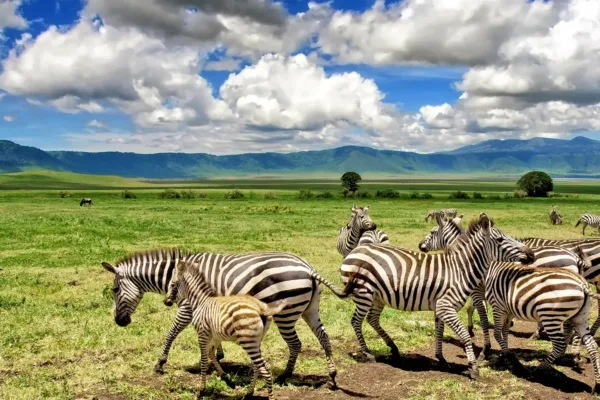
10-Day Tanzania Northern Circuit
Days: 10 | Nights: 9
The 10-Day Tanzania Northern Circuit Itinerary typically follows a loop starting and ending in Arusha, covering world-renowned parks like the Serengeti and Ngorongoro Crater. Among the safari hotspots in Africa, Tanzania stands out. Among the most enchanting safari experiences may be found in East Africa’s biggest country, which has one-third of its area set aside for wildlife conservation.
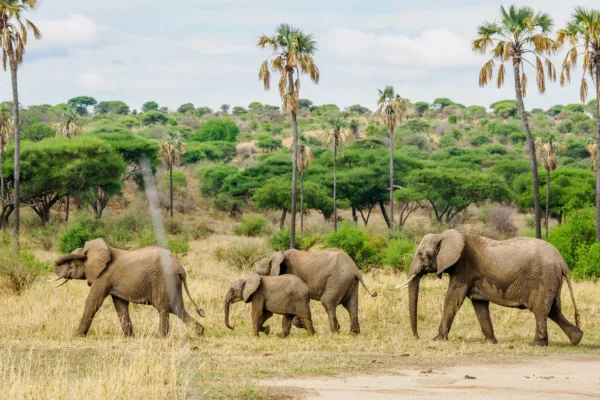
14-Day Tanzania & Kenya Safari
Days: 14 | Nights: 13
On this magnificent 14-Day Tanzania and Kenya safari, you will experience some of the most famous landscapes in East Africa. Embark on an experience that will take you from the vibrant cityscapes of Nairobi to the vast savannahs of the Maasai Mara and Serengeti. Along the way, you’ll get the chance to meet a variety of species, stay in opulent lodges and camps, and witness some of the most spectacular views on the African continent.