

How Much Does a Zambia Safari Cost | Expert Guide 2027
Zambia is well-known as the birthplace of walking safaris, but its incredible biodiversity and fantastic animal sightings are what truly set this country apart. One of the few areas in Africa where one may enjoy a genuine walking safari is the breathtaking South Luangwa National Park, which was the pioneering venue for walking safaris in 1950, according to Norman Carr.
Zambia offers enough to offer both first-timers and returning safari goers with its 20 national parks, several of which are regarded as among the best in the world. Zambia offers a seemingly unlimited array of attractions, including walking safaris, classic game drives, guided canoe excursions, and boat expeditions. Plus, you’re close to Victoria Falls, one of the seven natural wonders of the world. However, the essential inquiry is: how much does a safari to Zambia typically cost? Here is a rundown of what a Zambia safari may include and how much it would cost:
Zambia Safaris: What Are Your Options?
Safaris in Zambia can be structured in a wide variety of ways, and their prices reflect that. It’s also worth mentioning that with the correct combinations of lodging, activities, and transportation, you may make a more costly alternative more budget-friendly. Reserves and concessions, season, group vs. private drives, non-inclusive activities and private vs. public transportation all have an impact on final prices.
- Fly-in Safaris & Charters: To make matters more complicated, Zambian parks are not always in close proximity to one another, therefore the most convenient means of transportation are internal flights and charters. You should definitely verify the weight restrictions and requirements for soft bags, rather than hard shells, before your trip to Zambia, as domestic flights sometimes have a limit of 12 kilograms (26 pounds) for luggage.
- Classic Safaris: Imagine a “classic safari” with knowledgeable trackers and guides taking you on dawn drives, midday wildlife watching, and a delectable sundowner in the bush. Unless you choose to use a private vehicle, which is a good option for families with little children but would cost more, this usually starts from your accommodation and is included in the price.
You can also arrange for a road transfer from any of the two airports; charter planes are just one of the options. The cost will vary depending on factors such as if you are travelling in a group and whether your accommodation provides free transfers, but it is often accomplished using 4×4 vehicles.
How Much Does a Zambia Safari Cost?
Depending on the season and level of luxury, a safari in Zambia might cost anywhere from $1,100 to $2,530 per person, per night, assuming double occupancy. Starting at about $1,100 for a mid-range trip, you may go as high as $2,530 for a 5-star choice. Location, season, and optional or included activities like walking safaris, canoe outings, or charter flights, as well as safari style (traditional vs. fly-in) affect costs.
Zambia Safari Tour Costs
Please Note: All prices are approximate and based on one person sharing a room during high and low season. Foreign flights, visas, and extracurricular activities are not included. Keep in mind that conservation levies, taxes, and permits can and will alter. Typically, the busiest times of year are between July and October, as well as throughout the holidays and new year.
Zambia Accommodation Costs
Where you stay, how accessible it is, and what you do while there will affect the expense of any holiday, regardless of destination. In both the high and low seasons, the following table details the prices of lodging in Zambia, broken down by nightly room occupancy.
Zambia Accommodation Pricing
Please Note: All prices are approximate and based on one person sharing a room during high and low season. Foreign flights, visas, and extracurricular activities are not included. Keep in mind that conservation levies, taxes, and permits can and will alter. Typically, the busiest times of year are between July and October, as well as throughout the holidays and new year.
How the time of year can affect the cost of a Zambia safari
Where you go in Zambia determines the ideal time to visit and how to schedule your trip. Due to increased demand, good weather, and ideal animal watching during the dry season (June–October in particular), rates for lodging, transportation, and attractions tend to be higher than during other times of the year. While some locations become inaccessible due to rains and wildlife disperses due to the amount of water, the green season (December to April) offers lower rates. But this is the best time to go birdwatching, and it’s also the most cost-effective for tourists.
Travellers interested in seeing Victoria Falls, Devil’s Pool, rafting, and Zambezi River activities should know that the falls are at their most beautiful from April until the end of July. Be sure to check in advance because certain lodging alternatives, like those in Kafue and North Luangwa, close during the rainy season and reopen during the dry season. On top of that, demand surges around big US and European holidays like Christmas, New Year, and Easter, which can cause prices to vary. If you want to stay at a camp or lodge of your choice during your trip during these times, you need make your reservations in advance.
Additional Costs To Consider
You should know that “all-inclusive” isn’t necessarily the most exhaustive definition. When planning a safari in Africa, it’s important to be clear what is and isn’t included in the package. To start, you might want to check out our blog post about African countries that do not require a visa for US citizens. That could solve one problem with the prices right there. Are there any potential hidden expenses that you might encounter? Below is our list for your perusal:
- International flights / getting to the country – as a rule of thumb, consider this excluded.
Getting from place to place – internal transfers may be included with some accommodations, however, some others may be at your own cost. Charter flights are popular in Zambia but road transfers are also available in most cases. - Vaccinations – certain destinations require vaccinations prior to arrival. These are excluded and you will need to contact your healthcare professional to ensure the requirements are met. Zambia requires routine vaccinations and a yellow fever certificate if you’re travelling from a country with high risk. Please note: malaria medication is recommended.
- Tipping is always optional but highly recommended. It’s always worth carrying cash during your travels as it’s the easiest way to go about this. Consult our tipping guide for more information.
Personal and travel insurance. - Additional activities – anything over and above the included activity offerings at an accommodation, which typically extends to hot air balloon safaris and helicopter flips or sometimes even cultural excursions.
- The exchange rate – international card payments will likely incur a small fee for paying in a different currency. Zambia’s national currency is the Zambian Kwacha but other currencies, such as the US dollar, are mostly accepted.
If you would like to consult with one of our Africa Safari Experts about your upcoming trip, they can help you plan every detail, including the transfers, so that your trip goes off without a hitch. However, keep in mind that delays are sometimes inevitable when travelling, so it’s best to plan ahead if you can.
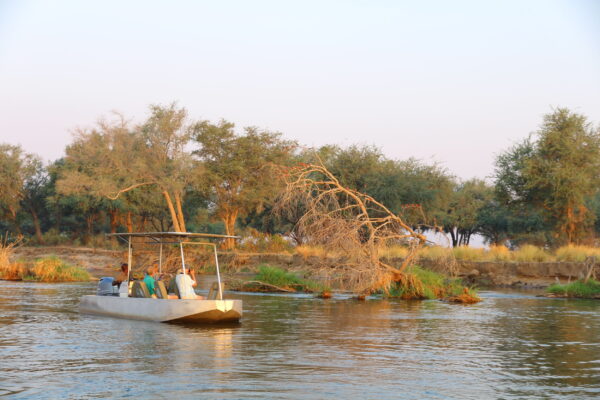
Zambia Community & Conservation
Days: 8 | Nights: 7
A 10-Day Zambia Community And Conservation Safari offers immersive wildlife experiences in hotspots like South Luangwa and Lower Zambezi, directly funding anti-poaching, anti-snaring, and community development. These eco-conscious safaris focus on low-impact, high-value tourism, providing jobs for locals and protecting wildlife, notably through organizations such as Conservation South Luangwa and the Zambian Carnivore Programme.
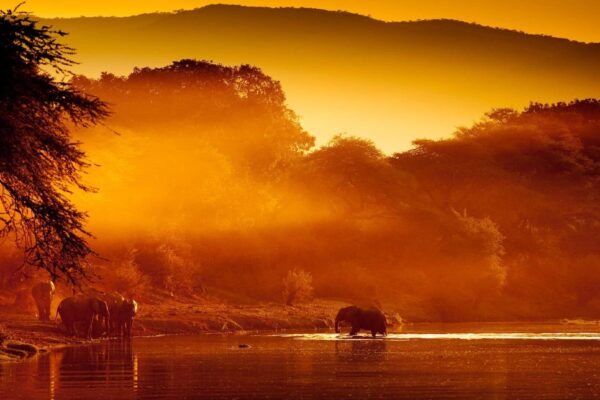
South Luangwa & Lower Zambezi
Days: 9 | Nights: 8
A 9-day safari combining South Luangwa and Lower Zambezi offers a premier Zambian experience, typically starting with high-density leopard spotting in South Luangwa followed by water-based adventure along the Zambezi River. Usually, this involves a “fly-in” itinerary via Lusaka, staying 4 nights in each park at luxury lodges or bush camps, with activities including 4×4 game drives, walking safaris, and canoeing.